
Exploring the dynamic realm of Ultra High Net Worth Wealth Management in a Volatile 2026 Market offers a fascinating journey into the strategies, challenges, and trends shaping the financial landscape. Step into this world of tailored services and innovative approaches, where wealth managers navigate the complexities of a rapidly changing market to safeguard and grow assets for their high net worth clients.
Delve into the intricacies of wealth management for Ultra High Net Worth individuals, as we uncover the key elements that define success in this exclusive sector of the financial world.
The Current Landscape of Ultra High Net Worth Wealth Management
Ultra High Net Worth individuals, commonly referred to as UHNWIs, are individuals with a net worth of $30 million or more, excluding their primary residence. These individuals have unique financial needs and investment goals due to the substantial wealth they possess.
The importance of tailored wealth management services for UHNWIs cannot be overstated. These individuals require personalized financial strategies that go beyond traditional wealth management services. Tailored solutions are essential to address their complex asset allocation, tax planning, estate management, and risk mitigation needs.
Key Challenges Faced by Wealth Managers in Serving Ultra High Net Worth Clients
- Complexity of Financial Situations: UHNWIs often have diverse investment portfolios, multiple income streams, and complex family structures, making it challenging for wealth managers to create holistic wealth management plans.
- Privacy and Confidentiality: UHNWIs value their privacy and require a high level of confidentiality when it comes to their financial affairs. Wealth managers must uphold strict confidentiality standards while providing effective wealth management services.
- Market Volatility and Risk Management: UHNWIs are exposed to unique risks due to the size of their portfolios. Wealth managers must navigate market volatility, geopolitical uncertainties, and other risk factors to protect and grow their clients' wealth.
- Regulatory Compliance: Wealth managers serving UHNWIs must adhere to stringent regulatory requirements and compliance standards to ensure transparency, accountability, and legal compliance in managing their clients' wealth.
Trends Shaping Ultra High Net Worth Wealth Management
As we navigate the volatile market of 2026, several trends are shaping the landscape of Ultra High Net Worth (UHNW) wealth management. These trends are influencing how wealth managers interact with clients, invest their assets, and adapt to the changing financial environment.
Digital Transformation in Wealth Management
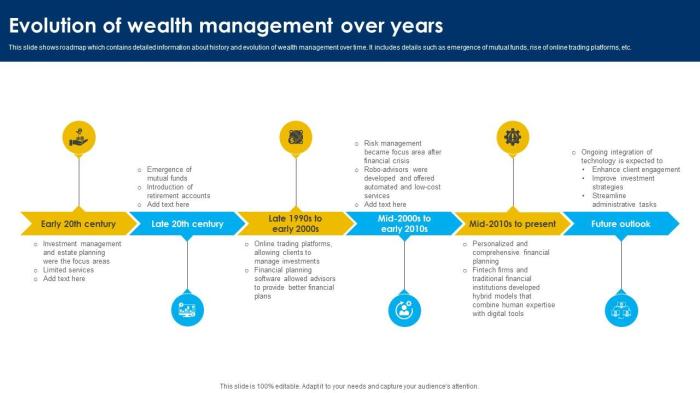
The rise of digital technology has revolutionized the way UHNW individuals manage their wealth. From online platforms for portfolio management to robo-advisors for automated investment strategies, digital tools have provided more accessibility and efficiency in wealth management services. This shift towards digitalization has enabled UHNW clients to monitor their investments in real-time and make informed decisions quickly.
Focus on Sustainable and Impact Investing
UHNW clients are increasingly interested in aligning their investments with their values, leading to a growing focus on sustainable and impact investing. Wealth managers are incorporating Environmental, Social, and Governance (ESG) criteria into their investment strategies to address global challenges such as climate change, social inequality, and corporate governance. This trend reflects a shift towards conscious capitalism, where financial returns are considered alongside positive societal and environmental impacts.
Personalized Wealth Management Solutions
Traditional wealth management practices often followed a one-size-fits-all approach. However, modern wealth managers are recognizing the importance of personalized solutions for UHNW clients. By understanding the unique goals, risk tolerance, and preferences of each individual, wealth managers can tailor investment strategies that meet their specific needs. This personalized approach fosters stronger client relationships and helps achieve long-term financial objectives.
Strategies for Navigating Volatility in the Market
In a volatile market environment, effective strategies are essential for managing wealth and mitigating risks for Ultra High Net Worth individuals. One key strategy that plays a crucial role in navigating market volatility is diversification.Diversification as a Risk Management Technique
Diversification involves spreading investments across different asset classes to reduce exposure to any single asset or market. This helps protect wealth from large losses during market downturns. For example, a high net worth individual may diversify their portfolio by investing in a mix of stocks, bonds, real estate, and alternative investments such as private equity or hedge funds.Asset Allocation Strategies
Asset allocation is another important strategy for managing wealth in a volatile market. By strategically allocating assets based on risk tolerance and investment goals, high net worth clients can create a balanced portfolio that is better positioned to weather market fluctuations. For instance, a conservative investor may allocate a larger portion of their portfolio to bonds and cash equivalents, while a more aggressive investor may have a higher allocation to stocks and alternative investments.Utilizing Hedging Techniques
Hedging techniques can also be valuable for high net worth individuals looking to protect their wealth in a volatile market. Hedging involves using financial instruments such as options, futures, or derivatives to offset potential losses in a portfolio. For example, an investor concerned about a market downturn may purchase put options to hedge against a decline in the value of their stock holdings.The Role of ESG Investing in Ultra High Net Worth Wealth Management
ESG investing, which stands for Environmental, Social, and Governance investing, is an approach that considers not only financial returns but also the impact of investments on society and the environment. In the context of wealth management for Ultra High Net Worth individuals, ESG investing plays a crucial role in aligning investment decisions with values and long-term sustainability goals.Integrating ESG Considerations into Investment Portfolios
- Ultra High Net Worth individuals can integrate ESG considerations into their investment portfolios by selecting companies that demonstrate strong ESG practices and initiatives.
- They can also invest in ESG-focused funds or work with wealth managers who specialize in ESG investing to ensure that their investments align with their values and long-term objectives.
- Integrating ESG considerations into investment decisions can help Ultra High Net Worth individuals contribute to positive social and environmental change while potentially achieving competitive financial returns.
Benefits and Challenges of Adopting ESG Strategies
- Benefits of adopting ESG strategies include the potential for long-term wealth preservation, reduced risk exposure to companies with poor ESG practices, and the opportunity to support sustainable businesses that are well-positioned for future growth.
- Challenges may arise in terms of limited availability of ESG investment options, the need for thorough research to assess ESG performance, and potential trade-offs between financial returns and ESG objectives.
- Despite these challenges, the increasing focus on ESG factors in investing indicates a growing recognition of the importance of sustainable and responsible investing practices among Ultra High Net Worth individuals.
Conclusive Thoughts
In conclusion, The Evolution of Ultra High Net Worth Wealth Management in a Volatile 2026 Market presents a compelling narrative of adaptability, innovation, and strategic decision-making. As we look ahead to the future of wealth management, the insights gained from this exploration will continue to shape the strategies employed by wealth managers in navigating the complexities of an ever-evolving market landscape.
Essential Questionnaire
What are some common characteristics of Ultra High Net Worth individuals?
Ultra High Net Worth individuals typically have assets valued at $30 million or more, exhibit a high risk tolerance, and seek customized financial solutions.
How do wealth managers address the challenges of serving Ultra High Net Worth clients?
Wealth managers overcome challenges by offering tailored services, building trust through personalized relationships, and staying abreast of the latest industry trends.
What is the significance of ESG investing in Ultra High Net Worth Wealth Management?
ESG investing allows high net worth individuals to align their values with their investment decisions, promoting sustainability and social responsibility while aiming for financial growth.